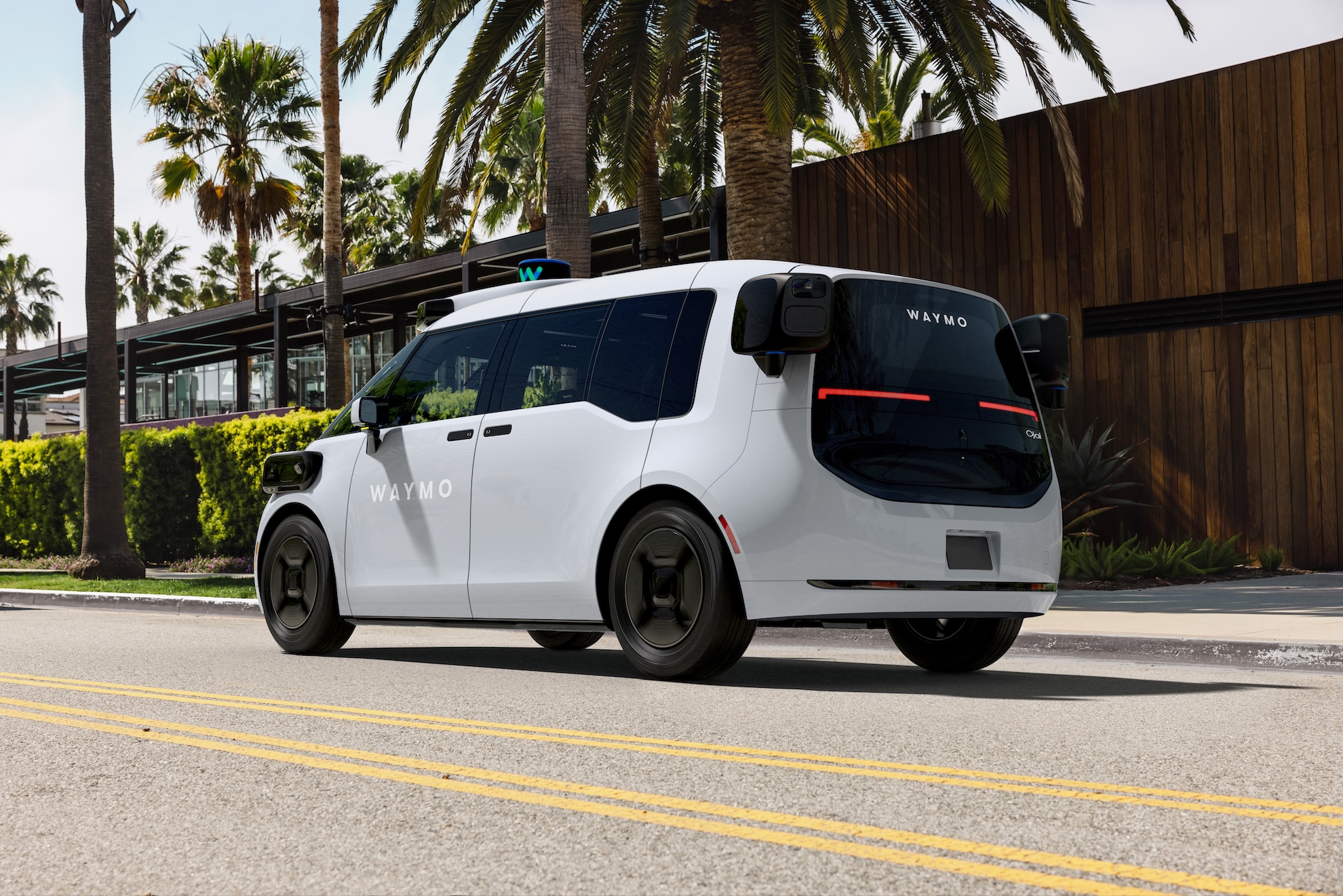
Just weeks after securing regulatory green lights in Nevada, Waymo has started rolling out its autonomous ride-hailing service to public passengers in Las Vegas.
On Monday, the Alphabet-backed enterprise announced that it will gradually onboard users, replicating the deployment strategy previously executed in 14 other markets.
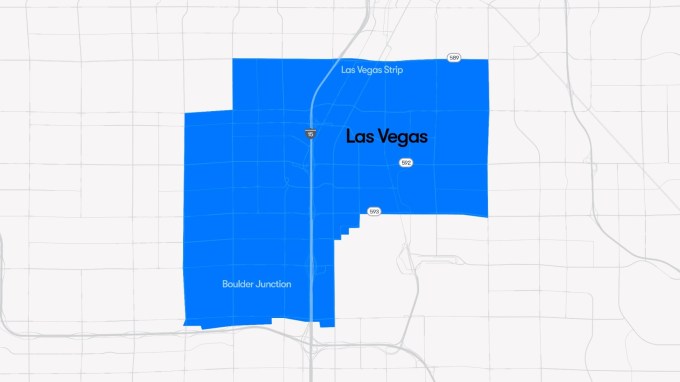
A company representative indicated that the initial rollout involves “dozens” of newly deployed Ojai minivan driverless vehicles. This initial coverage zone encompasses portions of Las Vegas south of Highway 589 along the Strip down into Boulder Junction. Although Waymo plans to expand both its service territory and vehicle numbers over time, riders currently need an invitation code to participate. Historically, full public access opens up within one to two months following the soft launch.
This debut comes during an intensive expansion phase for Waymo as it scales driverless fleets throughout the US and Europe to maintain its edge over rivals like Tesla and Zoox. Earlier this month, invited riders gained access to Waymo vehicles in Denver, San Diego, and Tampa.
Las Vegas represents Waymo’s 15th commercial location—a market where Zoox already provides paid rides and both Tesla and Motional intend to launch services. Beyond Vegas, Waymo operates across Phoenix, the San Francisco Bay Area, Los Angeles, Austin, Dallas, Houston, Miami, and Nashville. The provider previously introduced but later suspended operations in San Antonio.
Waymo secured its Vegas launch after getting regulatory clearance from the Nevada Transportation Authority to deliver paid autonomous rides throughout Clark County. Nevada regulators granted similar approvals to Uber and Tesla.
Regulatory permits grant Waymo permission to run up to 1,000 self-driving cars over the coming year. In comparison, Tesla received authorization for up to 5,000, while Uber holds approval for 1,000 driverless units through collaborations with Zoox and Hyundai’s Motional venture. Combined, these authorizations permit up to 7,000 autonomous taxis to operate across the region within 12 months.
Reaching those permit caps remains improbable in the near term. Waymo currently maintains over 4,000 total vehicles distributed across more than 12 urban hubs. Meanwhile, during an August hearing, Tesla Cybercab lead engineer Eric Early informed state officials that reaching “2,500, maybe a bit higher than that in the next year” would mark a highly successful target for their fleet deployment.
Even if companies fail to hit their maximum permitted numbers, Las Vegas streets could see heavy robotaxi density over the coming year.
Note: Updated to note that Zoox currently runs an active commercial driverless service within Las Vegas.