
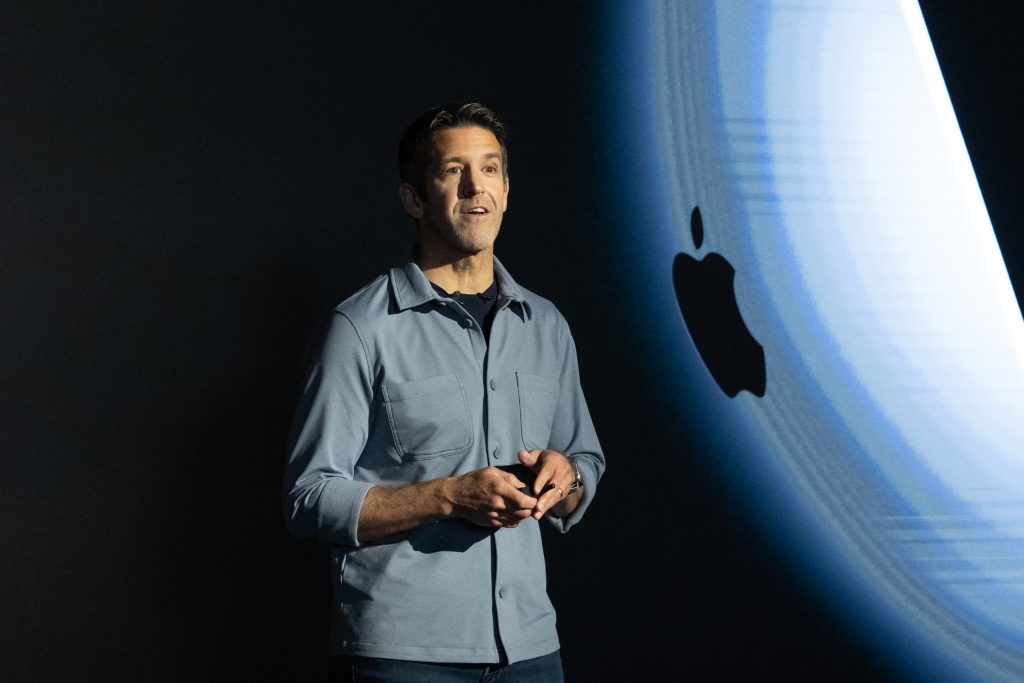
John Ternus, Apple’s new CEO, wants to make one thing clear: the iPhone remains central to the company’s future.
In his debut keynote address as Chief Executive on Wednesday, Ternus doubled down on the iconic smartphone, positioning it as the cornerstone of Apple’s strategy in the AI era.
“There’s no product in the world better designed to be your intelligent personal hub than iPhone,” he stated.
This marks a distinct shift from his predecessor, Tim Cook, who routinely sought to persuade investors that Apple’s business extended far beyond a single device.
Ternus’ vision directly addresses critics who recently predicted the demise of smartphones. One headline declared that “the smartphone’s days are numbered,” while another story suggested Apple faced an existential crisis over “figuring out what comes after the iPhone” as Cook stepped down.
Yet this approach involves more than just hardware sales. Ternus has anchored his broad “intelligent personal assistant” strategy around the iPhone, establishing a roadmap that could guide the tech giant for the next decade. The strategy mirrors Steve Jobs’ approach in 2001, when he made the Mac the focal point just months prior to launching the iPod.
Back then, tech analysts were predicting the death of the personal computer. During a Macworld presentation in New York, Jobs confronted skepticism head-on, citing pessimistic predictions from prominent analysts like Walt Mossberg along with executives at Compaq and Gateway.
“This is what everyone else is telling us—that our PC is waning if not the hole being dug,” Jobs told the audience while displaying a graphic of a tombstone for the “Beloved PC.” “We don’t think the PC is dying at all. We don’t think the PC is moving away from the center at all. We think it’s evolving, just like it has since it was invented.”
“We think the PC is on the threshold of entering its third great age,” Jobs noted, pointing to the rapid rise of companion hardware back then, such as digital cameras, camcorders, and DVD players.
Under his framework, the Mac served as a “digital hub” designed to link those external gadgets together and, as Jobs put it, “add value” across the whole ecosystem.
Before the year ended, Jobs unveiled the iPod—a breakthrough device that essentially answered why a central PC was still essential. The music player became a massive commercial triumph, driving sustained revenue growth and eventually laying the foundation for the original iPhone.
Now, as the iPhone approaches its 20th anniversary, Ternus encounters a very similar question. It remains to be seen if he has a secret, iPod-level breakthrough in development to cement the iPhone’s role long-term, but he is strongly rejecting claims that the phone’s glory days are behind it.
“If you were designing the ideal version of this hub from scratch, how would you do it?” Ternus questioned, outlining key requirements: robust processing power, advanced camera systems, continuous connectivity, and localized AI processing.
It certainly benefits Apple that the iPhone ranks among the most powerful mobile computers available, offering a strong advantage in an AI landscape that demands heavy hardware performance. Its portability makes it the primary—and sometimes only—computing tool for millions of users. While people frequently step outside without a laptop or tablet, virtually no one leaves home without their phone.
This balance of raw performance and convenience places Apple in a uniquely strong position for AI deployment. Although competitors have tried replacing smartphones with various wearable gadgets, none have managed to gain significant traction.
Rather than chasing futuristic alternatives at the expense of the flagship smartphone, Ternus is doubling down on what already works. In doing so, he is aligning Apple’s strategy with a practical reality: the iPhone remains an incredible piece of technology, and there is no urgent need to replace it—at least not yet.