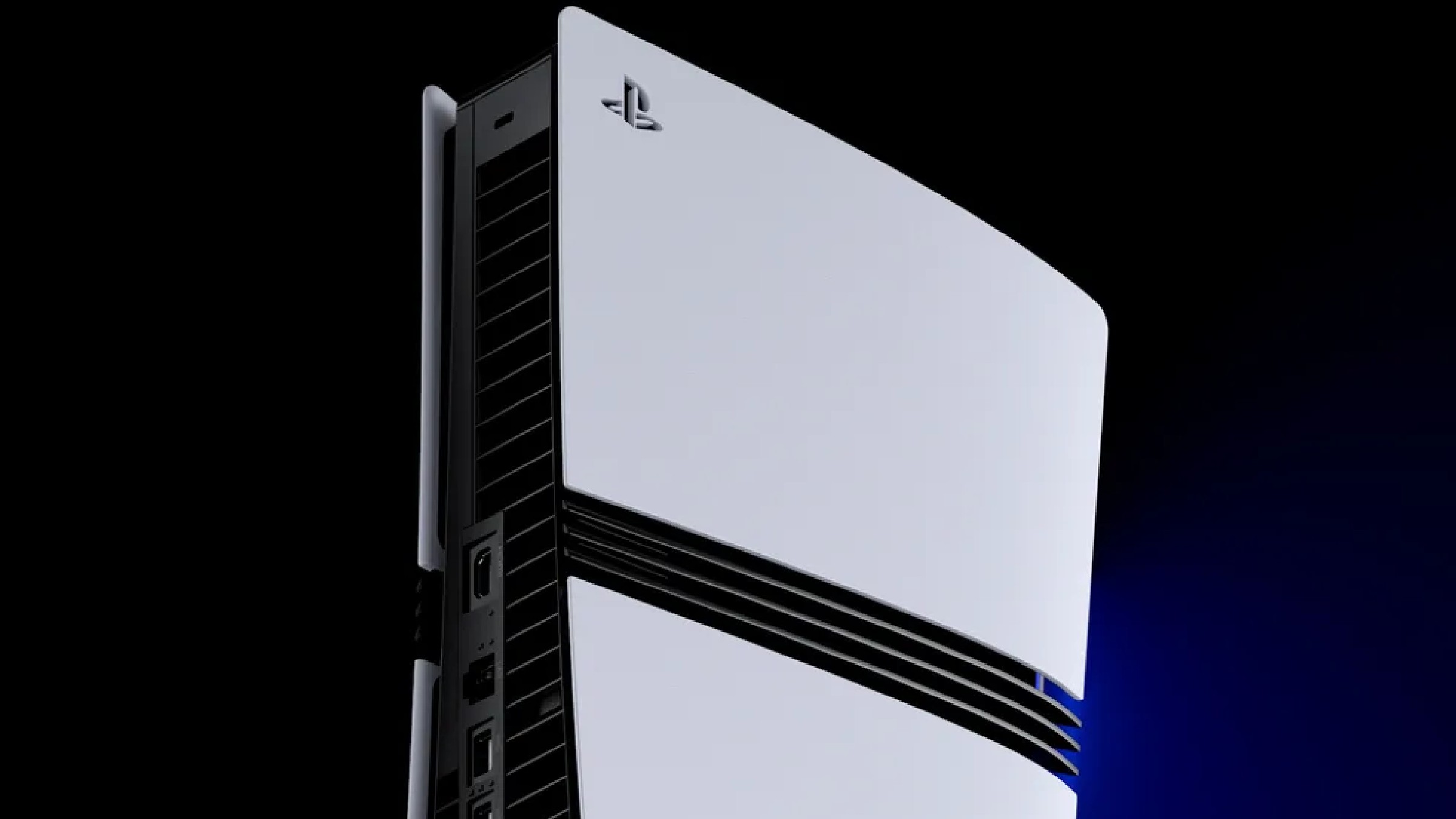
Following up on the phenomenal success and stellar game catalog of the PlayStation 4 was a monumental task, yet the PlayStation 5 managed to rise to the occasion. From brand-new IPs and creative sequels to enhanced processing power and the immersive DualSense controller, I have countless memories of being glued to my couch exploring these digital universes. However, as the PS5 enters its twilight years, my thoughts about the upcoming PS6 are filled with hesitation rather than excitement. The core issue isn’t that Sony has stopped producing quality games; rather, their recent strategic moves suggest they might be drifting away from the very qualities that made the PlayStation brand truly special.
Sony’s aggressive push into live-service titles, abrupt project cancellations, shifting hardware philosophies, bumpy software rollouts, and the breakdown of their collaboration with Hideo Kojima have all fueled this growing unease. The commercial failure of Concord alongside the underwhelming debut of Marathon have only intensified these worries. Even Marvel’s Wolverine—a project that should have been a guaranteed slam dunk for the platform—met with a lukewarm reception. Having been a dedicated PlayStation loyalist since the very first generation, I find myself questioning whether the PS6 era will only amplify these mounting concerns.
PlayStation’s Live-Service Strategy Has Cost Too Much
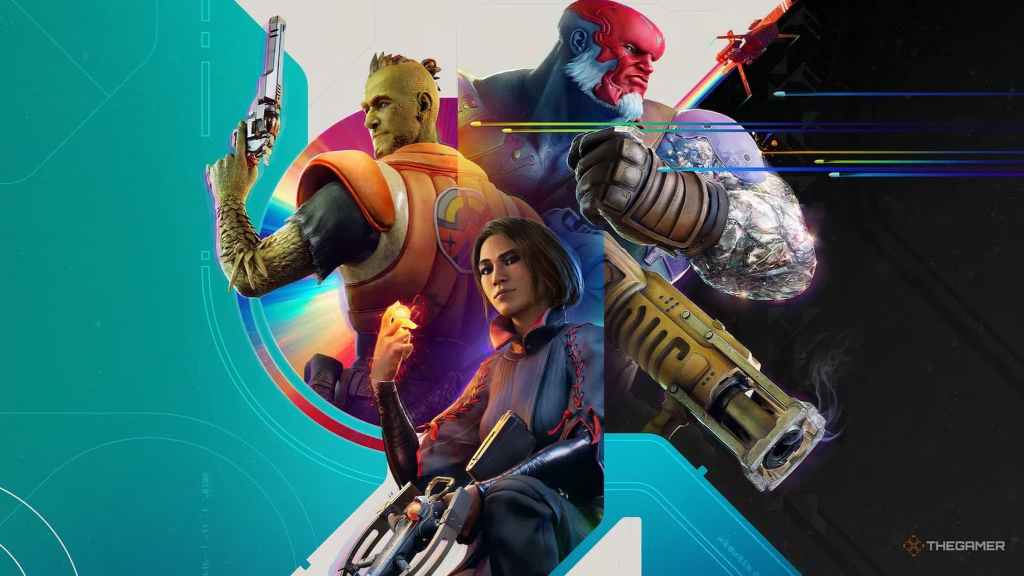
A defining shift during the PS5 cycle was Sony’s heavy financial gamble on live-service games, heavily championed by former president Jim Ryan in an attempt to follow industry trends. The roadmap aimed for an ambitious dozen live-service releases by the 2025 fiscal year. Had this gamble paid off, it would have secured a steady stream of recurring income, kept players deeply embedded within the PlayStation ecosystem, and offered endless engagement within their most cherished franchises.
The most glaring casualty of this approach was Concord, a title I personally found quite appealing. It boasted a fascinating concept and tight mechanics, but the live-service framework was entirely wrong for it. Given its early *Guardians of the Galaxy*-esque charm, it should have been structured as a story-driven adventure. Tragically, it was pulled offline after barely a fortnight due to anemic player numbers. Consequently, Sony shut down its developer, Firewalk, effectively throwing away years of hard work and massive budgets.
This misstep wasn’t an isolated incident. Sony later scrapped a live-service entry set in the God of War universe alongside The Last of Us multiplayer project. Studios like Bend and Bluepoint also saw their in-development titles canned, with the latter facing complete closure. While canceled projects don’t always mean total wasted effort since assets can sometimes be repurposed, these decisions highlight how Sony channeled vital resources into games that ultimately never saw the light of day.
PlayStation Is Losing the Identity That Made It Special
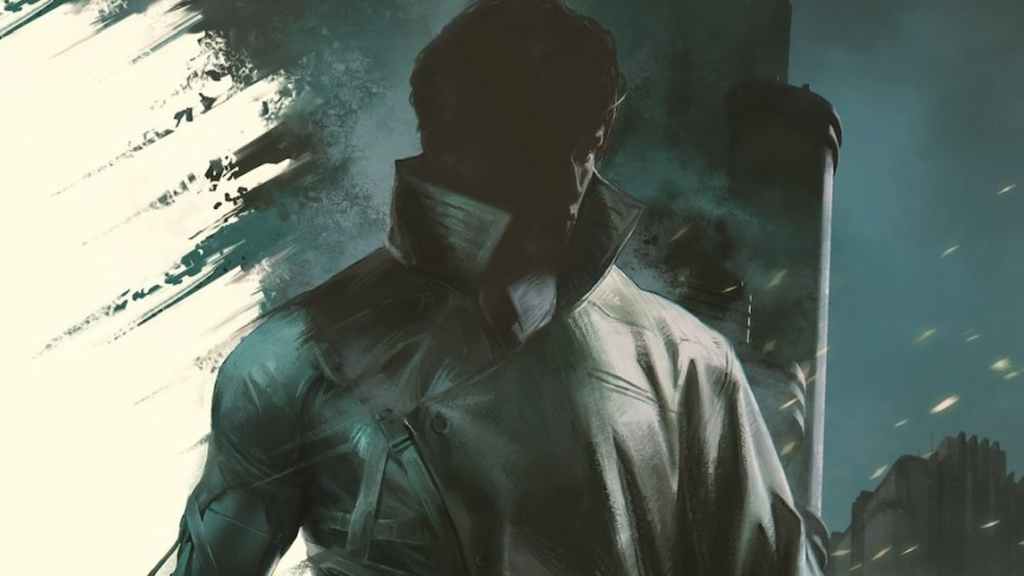
Another major source of frustration throughout the PS5 generation has been Sony’s growing hostility toward physical media. The company’s reported goal to phase out physical game production by 2028 threatens to compel gamers into a fully digital-only marketplace. This movement calls into question consumer ownership rights and restricts where players can shop for titles. Physical discs have historically offered deeper discounts, served as prized collector’s items, and provided the freedom to trade or resell games.
While digital storefronts offer undeniable convenience, convenience is a far cry from actual ownership. Pushing exclusively toward digital delivery grants corporations absolute authority over access and pricing. For consumers who value preserving their libraries, sharing titles with pals, or recouping costs via resale, this transition casts a long shadow over the future of PlayStation hardware. Discs act as tangible proof of ownership; stripping that away leaves gamers in a precarious spot.
This same unpredictability extends to Sony’s partnerships with creative talent. Hideo Kojima’s ambitious project *Physint* was initially touted as a PlayStation exclusive, but Sony confirmed in late 2026 that it was walking away from the partnership. Fortunately, Kojima secured Xbox as a new ally to keep *Physint* alive, highlighting a worrying shift in Sony’s corporate attitude. If they are willing to sever ties with a titan of the gaming industry, it raises serious questions about how they treat other partner studios.
The PS6 Needs More Than Better Hardware
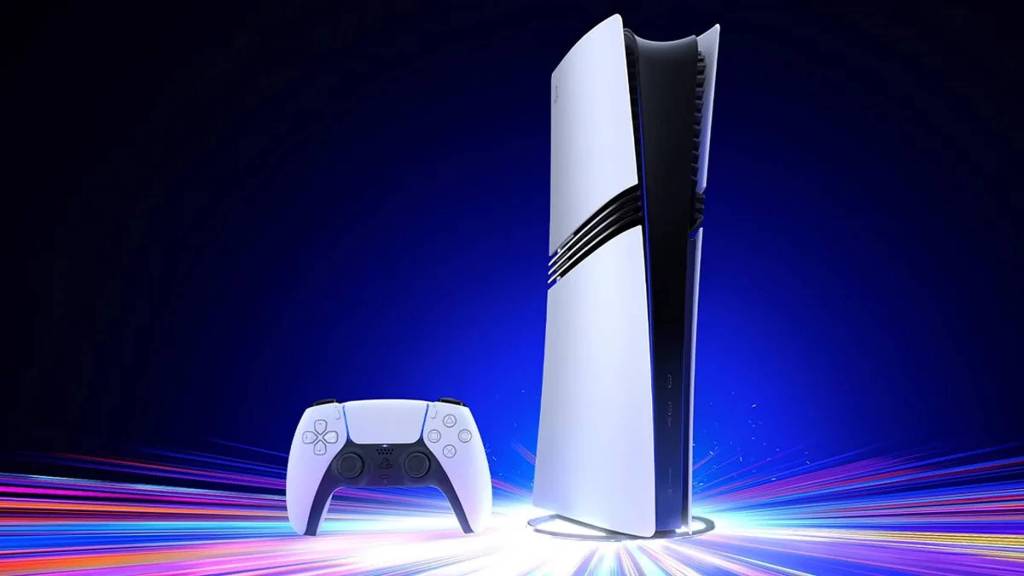
Undoubtedly, the PlayStation 5 still serves as the platform for some defining masterpieces of this generation. Despite recent misfires, its lineage boasts heavy hitters like *Ghost of Yotei*, *Death Stranding 2: On The Beach*, *God of War: Ragnarok*, and *Horizon: Forbidden West*. These triumphs prove that PlayStation can still deliver landmark experiences that captivate audiences. However, these are aging milestones and cannot indefinitely prop up the console’s future momentum.
The troubled rollout of *Marathon* exemplifies my ongoing skepticism, having debuted amidst delays and controversy while struggling to retain its active user base. Similarly, *Marvel’s Wolverine* faced heavy scrutiny from both critics and fans alike, marking a noticeable dip in quality compared to Insomniac’s previous work on *Spider-Man*. It goes to show that recognizable intellectual properties and massive production budgets are no longer fail-safe indicators of a masterpiece, leaving the trajectory of Sony’s internal studios shrouded in doubt.
Ultimately, the PS6 has the potential to be an incredible machine. Upgraded specs, faster load times, superior visual fidelity, and a fresh slate of first-party blockbusters will undoubtedly be welcome additions. Yet, Sony must demonstrate that it truly understands the core motivations driving consumers to buy PlayStation systems in the first place. Players are looking for stellar software, a robust library, and the reassurance that their digital investments will remain accessible for years to come. While leadership has time to course-correct, the upcoming PS6 cannot afford to coast purely on brand recognition alone.