Wireless gaming headsets have become everyday gear, yet choosing the right one remains tricky between the promise of total freedom and sometimes underwhelming technical execution. Before checking out price tags or aesthetics, you need to pin down three essential factors that will truly impact your gaming experience: connection reliability, real-world battery life, and microphone clarity. Here are the key elements to examine closely.
Is wireless connectivity fast enough for gaming?
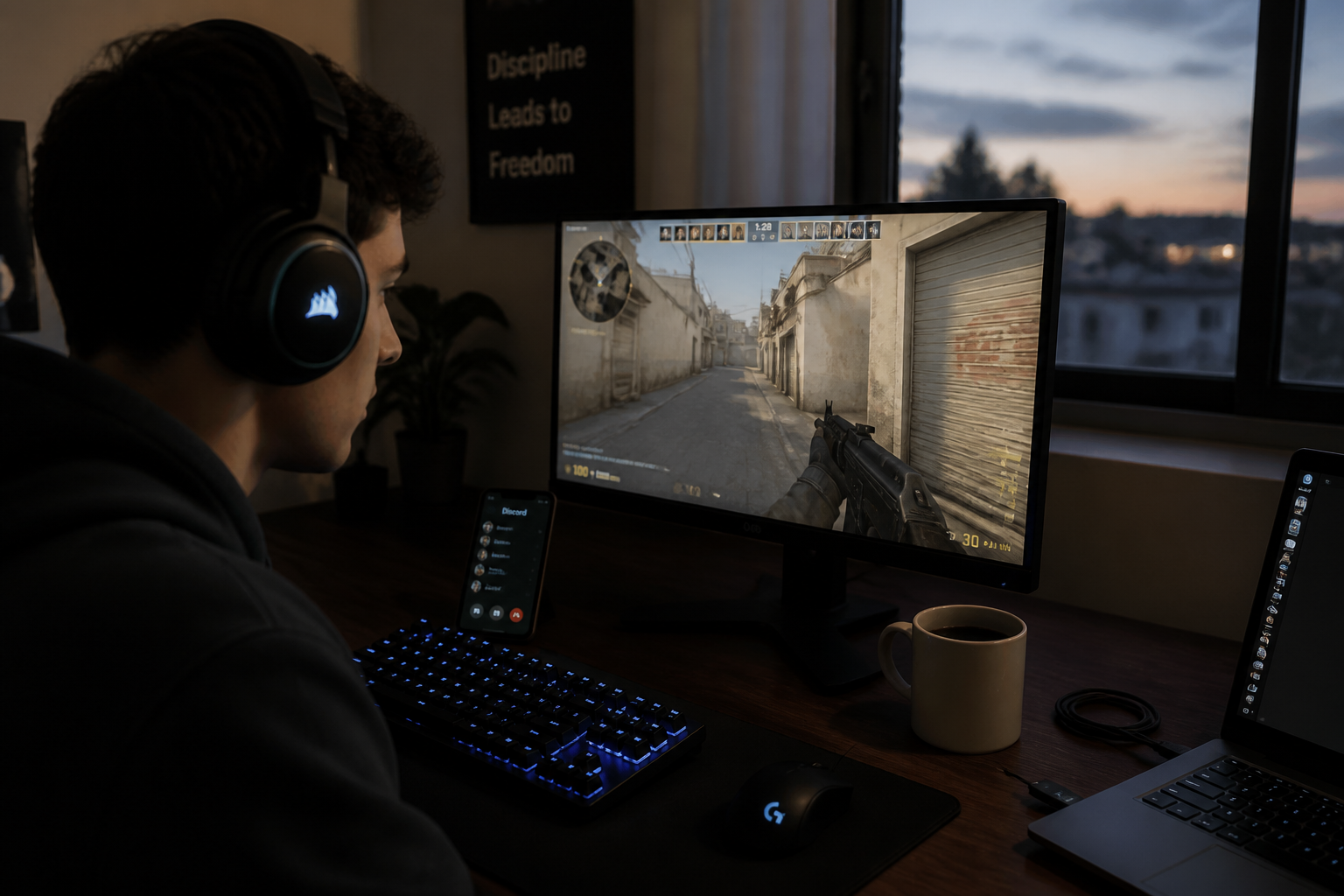
Audio latency is simply the lag between an in-game action and the sound hitting your ears. For competitive players diving into FPS titles or battle royales, excessive latency completely throws off spatial awareness and ruins split-second reflexes. Standard Bluetooth—even in version 5.3—is generally not recommended for online gaming because it introduces a noticeable delay. The truly dependable solution is a dedicated 2.4 GHz USB dongle. This transmission method delivers near-instantaneous responsiveness, matching the performance of a wired headset.
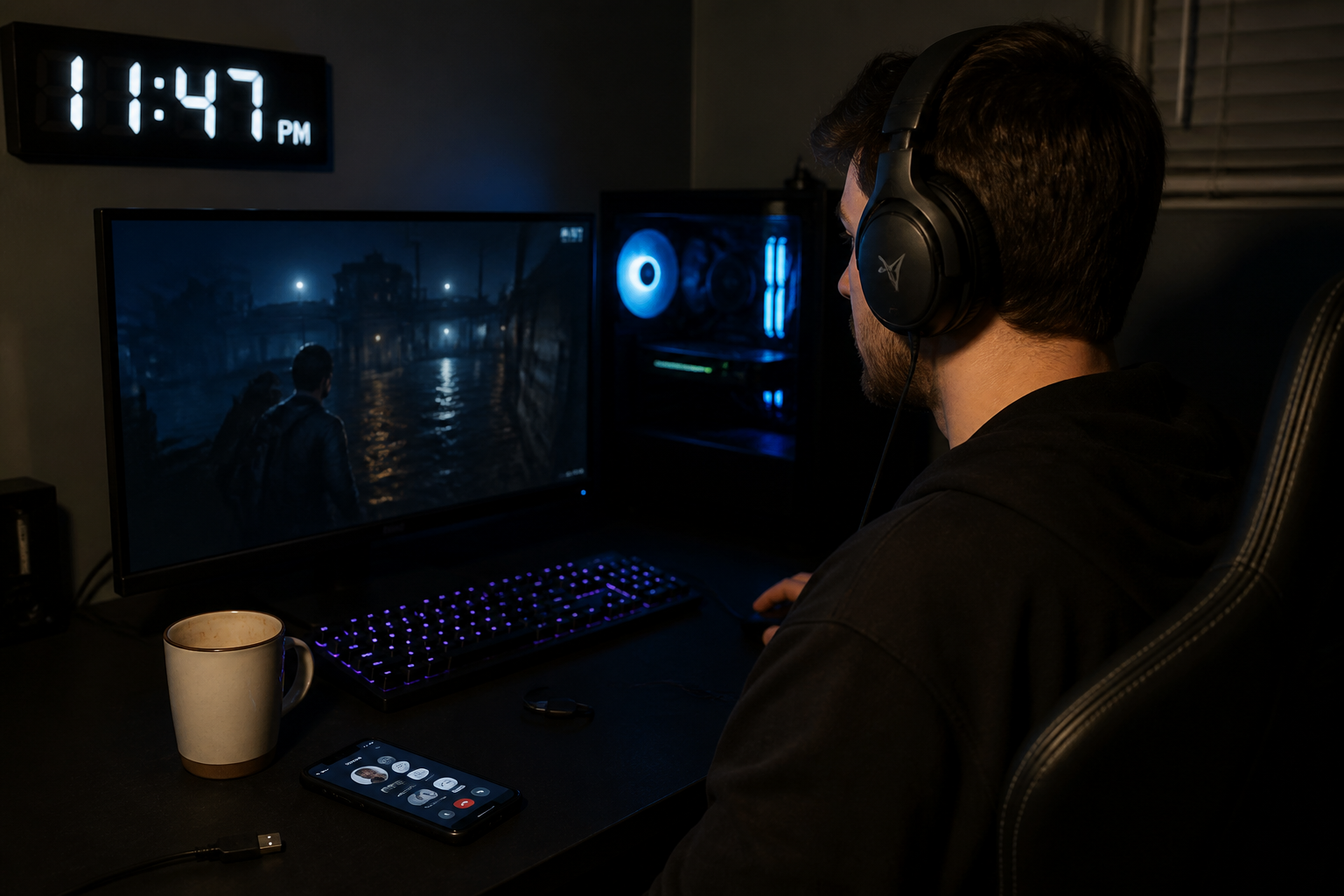
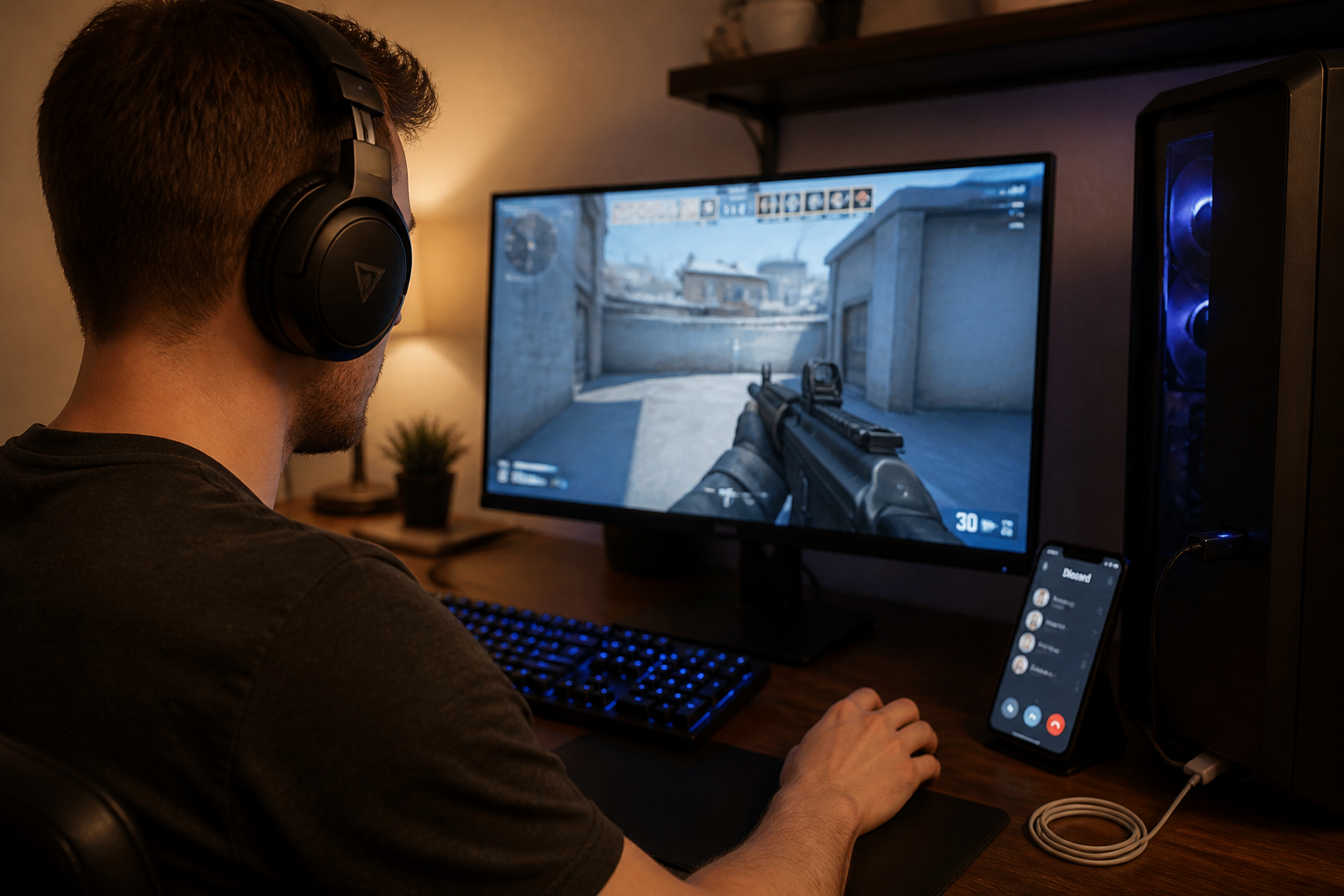
Certain modern headsets support dual connectivity simultaneously: 2.4 GHz for gaming on your PC or console, and Bluetooth for taking a Discord call or streaming music from your smartphone. It is an undeniable convenience, but make sure the unit handles this simultaneous audio mix without dropouts.
How much battery life do you need to avoid getting cut off mid-match?
Advertised battery longevity varies wildly across different models. Budget alternatives typically last between 20 and 30 hours, which is usually fine for casual weekly gaming. However, hardcore marathon sessions or extended weekends call for a target of at least 35 hours. Exceptional variants, such as the HyperX Cloud Alpha Wireless, push past 300 hours, completely altering the experience—requiring just a single monthly charge.
A handy feature to look for is fast-charging capabilities. Plugging in for just a few minutes can yield several hours of playtime, saving you from getting stranded in the middle of a match. Also, check if the headset remains operational via a wired connection (using a 3.5mm jack or USB cable) while recharging, just in case the battery dies at the worst possible moment.
Is the microphone clear and unobtrusive for voice chat?
Microphone performance is frequently the weak spot of wireless gaming headsets. Inexpensive options tend to pick up an abundance of background noise—like mechanical keyboards and room fans—while lacking vocal clarity. For squad-based gaming, a mic featuring active noise cancellation makes all the difference, isolating your voice from ambient sounds without making it sound robotic.
Pay attention to the microphone’s physical design as well. A retractable or detachable boom mic is far more practical for everyday use, allowing you to enjoy music or watch videos without a piece of hardware dangling in front of your face. Specific models, like the SteelSeries Arctis Nova 7X, feature a fully retractable mic that completely tucks away inside the ear cup.
How comfortable is it for marathon gaming sessions?
Comfort is often overlooked, but a headset that is too heavy or exerts too much clamping force quickly becomes unbearable. The ideal weight generally falls between 300 and 350 grams. Anything heavier tends to cause fatigue on top of the head and around the ears, particularly for those who wear glasses.
Earcup materials matter just as much. Breathable fabric helps reduce sweat buildup during lengthy sessions, unlike synthetic leather, which can trap heat and get sticky. A dual headband design with an elastic suspension strap (similar to the SteelSeries Arctis lineup) distributes weight more evenly and relieves pressure on the skull. Whenever possible, try testing the headset in person or reading reviews specifically from glasses wearers before buying.
Do you need companion software to tweak the sound profile?
Most mid-range to high-end wireless gaming headsets come with companion software. This lets you adjust the equalizer, enable virtual surround sound, or fine-tune the chat-to-game audio balance. For players who love dialing in their exact acoustic preferences, this is a major plus. On the downside, certain applications are bloated, force frequent updates, or consume system resources in the background.
If you prefer a hassle-free plug-and-play experience, prioritize a headset equipped with on-ear physical controls: a volume wheel, a mute button, and ideally a dedicated chat/game balance dial. This saves you from having to launch software right in the middle of a firefight.
What is the right budget for a reliable wireless headset?
Prices range anywhere from €70 to upwards of €350. Here is a general breakdown of what you can expect at different price points.
| Budget | What you get | Things to watch out for |
|---|---|---|
| Under €100 | 2.4 GHz connectivity, decent battery life (20-30 hours), basic microphone | Limited comfort, occasional latency issues, plastic build quality |
| €100 to €200 | Great comfort, 35-40 hours of battery, noise-canceling mic, optional simultaneous Bluetooth | Solid but not mind-blowing audio quality, software sometimes required |
| Over €200 | High-end drivers (planar), massive battery capacity (80+ hours), charging dock, studio-grade mic | Heavier overall weight, restricted console compatibility, steep price tag |
For a primarily competitive setup, aiming for a price range between €100 and €150 strikes a healthy balance between connection stability and ergonomic comfort.
One final tip before you buy
Never sacrifice connection stability just to save 20 or 30 bucks. A wireless headset that loses signal mid-game or suffers from high latency will quickly lead to buyer’s remorse. Also, double-check platform compatibility: certain models feature dedicated Xbox versions, while others seamlessly work across PC, PS5, and Switch using a single dongle. If you frequently jump between different consoles, a cross-platform alternative like the SteelSeries Arctis Nova 7X keeps you from accumulating too many accessories. Conversely, if you strictly game on a PC, a dedicated USB-C dongle headset paired with robust equalizer software will serve you better than a console-focused device.